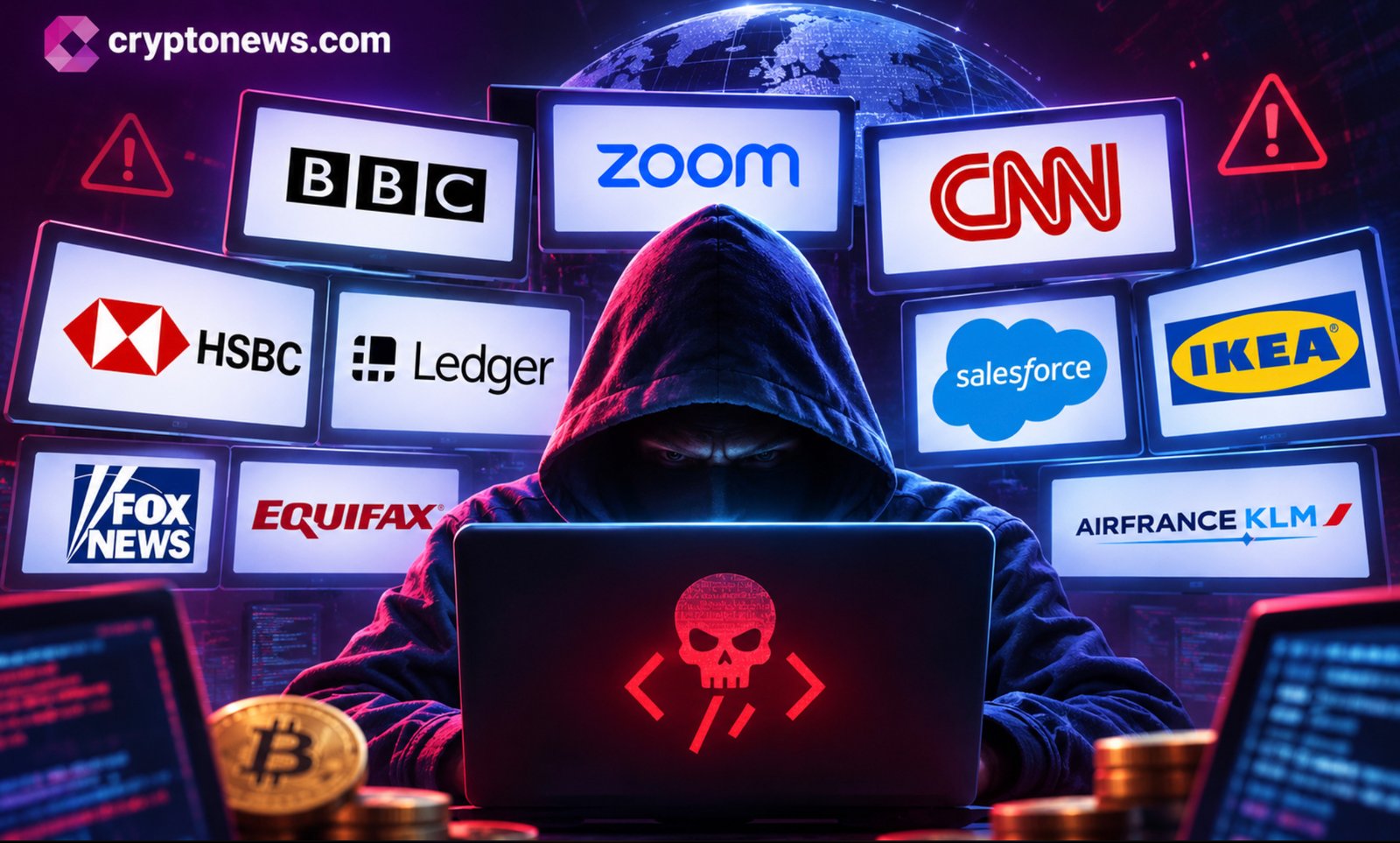
Hackers have turned some of the world’s most recognizable websites into potential crypto theft traps after compromising a third-party platform used by 178 major organizations. The attack injected malicious JavaScript through Optimizely, a website experimentation platform trusted by companies including BBC, Zoom, CNN, HSBC, Salesforce, IKEA, and crypto hardware wallet maker Ledger.
Visitors could unknowingly load malware simply by opening an affected webpage, and the consequences go far beyond stolen browsing data. The malicious code can replace crypto wallet addresses copied to the clipboard, redirecting payments straight into attackers’ wallets. Security researchers have already identified $7,040 in crypto received by wallets linked to the campaign.
BREAKING: Ledger and 177 other major organizations, including Zoom, CNN, and Salesforce, were affected by a massive JavaScript attack.
The malware stole cryptocurrency, payment card details, and user data, while also targeting iPhones with exploit kits.
— Crypto Rover (@cryptorover) November 17, 2026
Hackers Hijack Websites to Steal Crypto and Payment Details
The investigation by cybersecurity firm Report URI identified 188 infected JavaScript snippets belonging to 178 organizations after examining 1,611 Optimizely scripts. The malware operated through trusted website infrastructure, making the attack particularly dangerous. Rather than breaking into every company’s servers individually, attackers injected malicious code into Optimizely customer projects.
Affected websites continued loading JavaScript through Optimizely’s legitimate content delivery network. Visitors had little reason to suspect that a familiar website was serving malicious instructions. This is a dangerous clipboard hijacking mechanism.
The malware searched webpages for crypto wallet addresses and replaced legitimate destinations with addresses controlled by attackers. It could also intercept copied addresses, meaning someone browsing an affected website could potentially paste a fraudulent wallet address elsewhere.

The attack targeted several major crypto networks, including Bitcoin, Ethereum, Solana, TRON, and Litecoin.
A victim could believe they were sending funds to an exchange, another wallet, or a friend. Instead, the transaction could land directly in an attacker’s wallet.
Report URI identified $7,040 in receipts across attacker-controlled wallets by November 16. The funds included Bitcoin, Litecoin, Ethereum, TRON, and stablecoins.
But the crypto theft was only one part of the operation. Researchers also discovered code designed to capture payment card numbers, expiration dates, and security codes submitted through website forms. The malware could additionally steal accessible browser cookies and capture screenshots of affected webpages.
Discover: The Best Token Presales
BBC, HSBC and Ledger Among 178 Compromised Organizations
The scale of the incident raises questions about how much trust businesses place in third-party website services. The affected organizations span several industries, including banking, technology, media, retail, and crypto.
HSBC was among the financial institutions affected, alongside Equifax and other major organizations. BBC, CNN, Fox News, Zoom, Salesforce, GitLab, IKEA, and Air France-KLM also appeared in Report URI’s investigation.
Ledger’s inclusion makes the incident particularly concerning for crypto users. The company is known for its hardware wallets, which help customers store private keys away from internet-connected devices. However, the incident demonstrates how threats can reach users through ordinary browsing activity, outside the hardware wallet itself.
The malicious campaign also contained capabilities targeting Apple devices. Researchers identified exploit infrastructure associated with Coruna and DarkSword, two iOS exploit kits designed to target vulnerabilities in iPhones and iPads.
This means the operation was not limited to stealing crypto or payment information. It also carried tools capable of targeting mobile devices through malicious webpage content.
Optimizely Confirms Security Breach After Hackers Hijack Websites
Optimizely confirmed that attackers exploited a vulnerability in its Experimentation account signup flow to inject malicious JavaScript into customer projects. The company said it blocked access to the vulnerable pathway, deployed a fix, removed injected code, revoked active tokens, and reset access for affected accounts.
However, the incident raises serious questions about third-party website security. Report URI’s investigation found that even Optimizely’s own websites carried the malicious code. Researchers also observed the attacker rebuilding the malware 26 times during the campaign, adding capabilities and additional cryptocurrency wallets.
Most infected snippets were subsequently cleaned up, with Report URI finding only one remaining infected snippet in its final November 16 sweep.
But the financial damage and potential exposure remain difficult to measure. Researchers have identified crypto receipts, but the number of affected visitors, compromised payment cards, and exposed browser sessions remains unknown.
The bigger problem is that website visitors rarely know which third-party scripts are running behind the pages they trust. A familiar banking website, news outlet, or crypto platform can become an unexpected entry point for malicious code without its visitors noticing anything unusual.
Discover: The Crypto Presales This Q4 2026
The post Hackers Hijack 178 Major Websites, Including BBC, Zoom, CNN, HSBC, and Ledger appeared first on Cryptonews.
This articles is written by : Nermeen Nabil Khear Abdelmalak
All rights reserved to : USAGOLDMIES . www.usagoldmines.com
You can Enjoy surfing our website categories and read more content in many fields you may like .
Why USAGoldMines ?
USAGoldMines is a comprehensive website offering the latest in financial, crypto, and technical news. With specialized sections for each category, it provides readers with up-to-date market insights, investment trends, and technological advancements, making it a valuable resource for investors and enthusiasts in the fast-paced financial world.