There’s a thing that people who grew up on farms all share: a connection with food production that isn’t some mystical rose-tinted woo from a TV chef, but instead a practical general knowledge from being there on the ground. A glance at a crop in a field and you immediately recognise what it is, if it’s ploughing time you’ll know the soil type, and there’s always either too little, or too much rain. For a given foodstuff you’ll know far too much about where it came from, because if your dad wasn’t involved in its production, the chances are someone he knew was. You take this for granted, after all doesn’t everyone have this general knowledge? Seemingly not.
Hackaday is not a cooking channel, but I know we’re all interested here in how things are made. Shouldn’t that also extend to what we eat? It’s fashionable to follow a back-to-nature line that all commercial foodstuffs are somehow over-processed junk, but without the requisite knowledge you’re flying blind there. To know both how common foodstuffs should be made, as well as how they are made industrially, should be an essential for everyone.
Mm-Mm-Mmmm, Coagulated Milk!
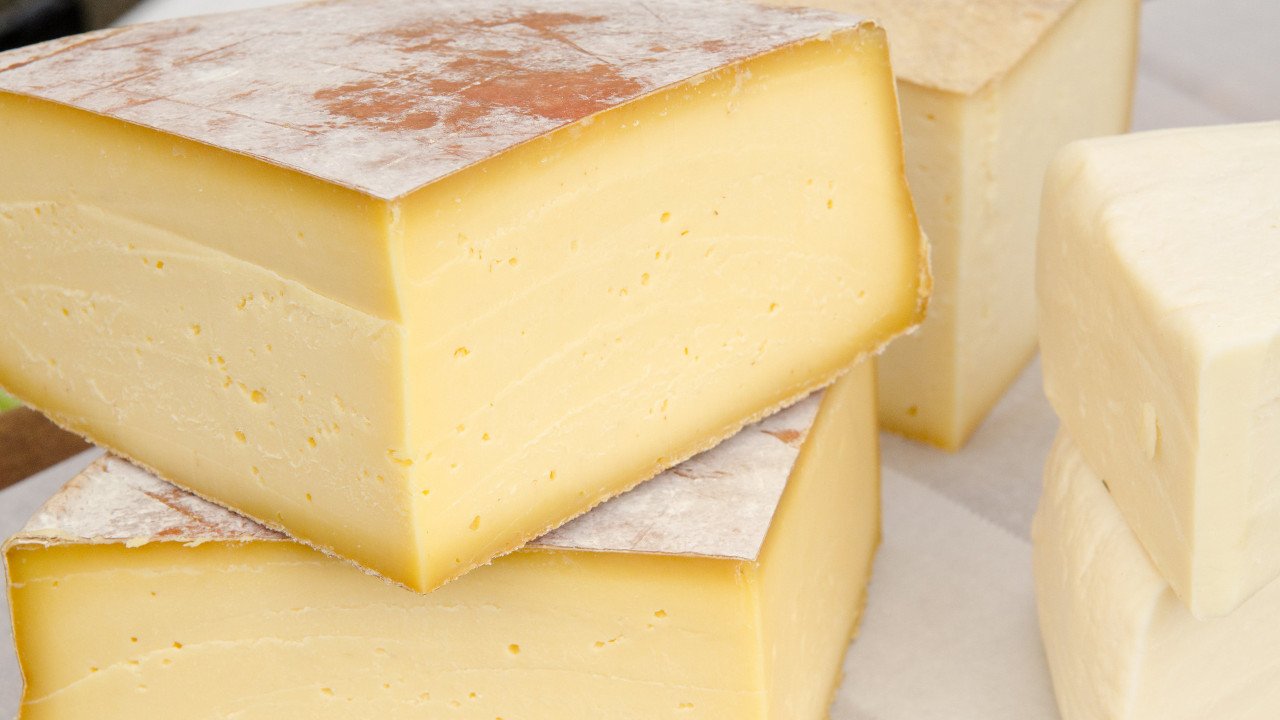
So without further ado, it’s time to dive straight in with cheese, or to be more specific, hard cheese. In simple terms the flavoursome snack is matured fermented coagulated preserved milk, which sounds a lot less appetizing than what the cheese marketing people will tell you, but that’s the hacker’s truth.
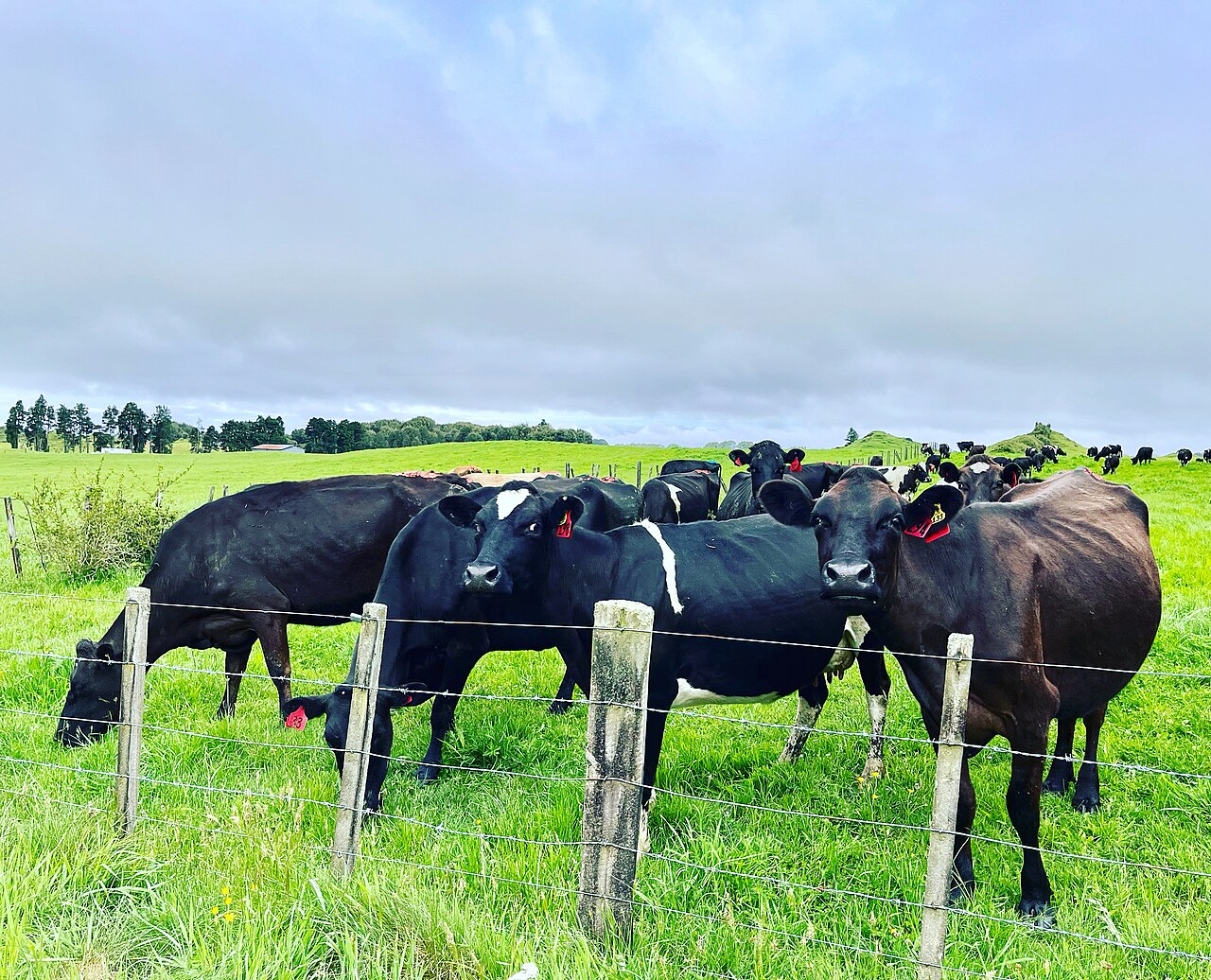
The milk comes from lactating farm animals, in most cases cows, but as an example in my local supermarket I can buy sheep and goat cheeses too. A dairy herd is also a breeding herd, and after the calves are weaned the cow continues to be milked until the next time she’s brought into calf.
Pulling no punches here, in most commercial settings the calves are removed from their mothers very young and brought up on a kind of cow infant formula, which is without doubt rather cruel. I grew up with a small suckler herd in which the aim is to breed high quality breeding cattle, so ours were fortunate enough to stay with their mothers until they were naturally weaned.
The milk will be collected and refrigerated, and in most cases will be pasteurised, heat treated to kill bacteria. Some people will tell you this removes all the goodness from the milk which is a questionable assertion, given that what it really does is make the stuff easier to transport without going off, and stop people dying from milk-borne infection. In a cheese context some cheeses rely on un-pasteurised milk for their flavour or authenticity, but as I’ll explain later, in most cases this doesn’t make them a health hazard.
Gambling at the Bacteria Races
Cheesemaking is a fermentation process, and as with others, the point is to control the fermentation such that its by-products kill off the harmful bacteria and preserve the food before they can spoil it. In the case of beer or wine the alcohol from anaerobic yeast metabolism does this job, but in the case of cheese it’s lactic acid from a class of bacteria that produce it given the right conditions.
This is why un-pasteruised milk can be used without too much worry, as those undesirable bugs should be removed by the lactic acid. You need lactic acid bacteria to be present which could be a hit-and-miss affair growing them in the milk naturally, but here in 2026 you add them as a pre-prepared culture. The make-up of this culture would originally be derived from the terroir of the cheesemaking region, for example the bacteria where Emmental cheese originated produces gas which gives that cheese its characteristic bubbles. It’s here you see the origins of the different types of cheese, as alongside the different bacteria are local variations in technique which lend the final product its unique qualities.

The milk is heated to speed up the fermentation, the idea being that a warm temperature favours the lactic acid bacteria over the undesirable bugs that might spoil it. Once the lactic acid fermentation is mostly done, the mixture is turned into curds and whey by the addition of rennet. This is an enzyme that coagulates the milk solids, the fat and proteins, leaving a thin liquid, whey, as the leftover.
Rennet is another of those things that can involve some cruelty, as traditionally it would have been produced from the stomachs of young calves slaughtered for the veal industry. Sorry veal farmers — I have never knowingly eaten veal. Fortunately it’s now much more likely to be made commercially from an engineered fungal or bacterial culture, which is why you will see most cheeses labelled as vegetarian.
The cheese is now a big tank full of curd, swimming in whey. The whey is strained off and the curd is broken up. releasing more whey. There is then a process of stirring the curd to release as much whey as possible, which yet again has an effect on the final cheese and is part of those different varieties, and eventually you have a pile of relatively dry fermented curds.
If you were Canadian you’d run off with some of it and make poutine, but sadly for me as a Brit we didn’t invent that marvelous street food, so we’d add salt before pressing it into moulds to make a basic cheese shape and extract the last drops of whey. We’d then wrap it in muslin and place it in a cool dark place to mature for several months. What you’d extract at the end would be covered in mould, but the cheese once you’d peeled off the muslin would (most of the time) be amazing!
Blessèd Are The Cheesemakers
So there you have it, that in a few paragraphs is how you make a farmhouse cheese. For us it was on a small kitchen-table scale for our own consumption, but it would be substantially the same for any small-to-medium farmhouse operation. Even the large-scale factory cheese operations do the same thing, with the key difference being that they require the process to be efficient and optimised, but above all consistent.
Remember I said that our cheese would be most of the time amazing? Cheese can go wrong, it can get infected with a bad bacteria, it can ferment differently, and it can taste, well, not so good. We could afford to lose a few cheeses, but a multi-million-dollar company can’t. So their process is controlled to the n’th degree, and out slightly hit-and-miss steps are eliminated. The hygiene, temperature, humidity, and every other possible variable are controlled exactly, to ensure that every cheese they make has the same flavour and texture, and time from milk to finished cheese is the same every time.
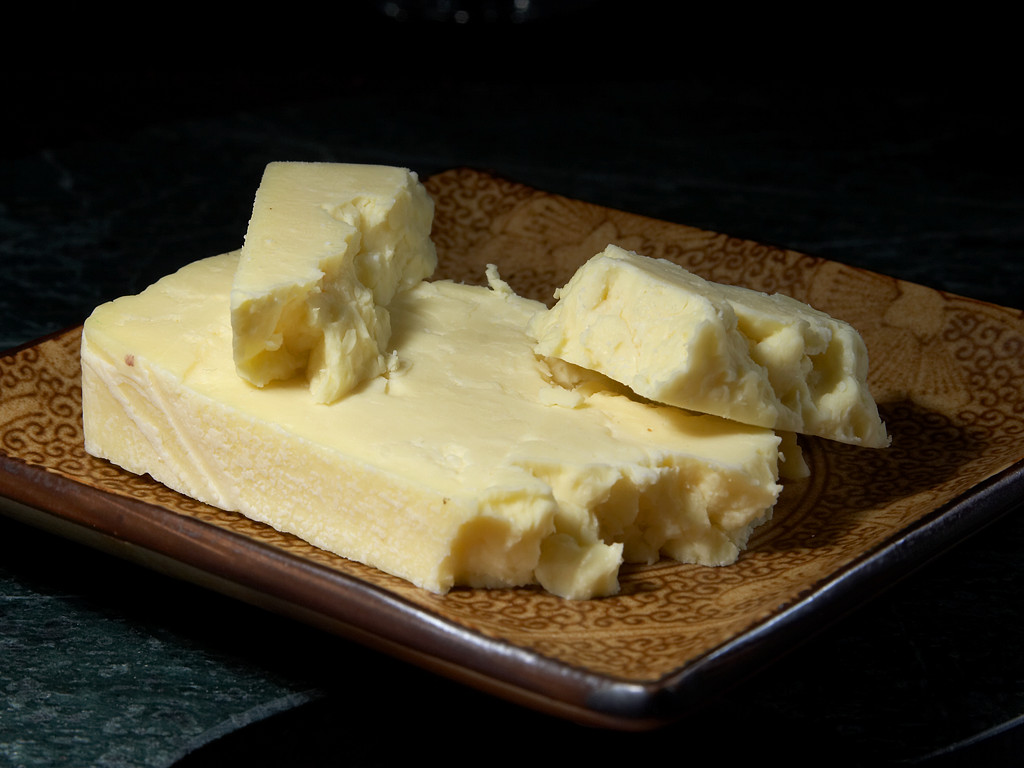
If I were asked, I would say that a commercial cheese from my supermarket is entirely as good a product as the most artisanal of farmhouse cheeses, and I think in terms of nutrition and quality, I would be right. Of course the farmhouse cheese would almost certainly taste a lot better because its production schedule is optimised for those qualities in a premium product rather than for low price, but I think it’s an important thing to say in order to head off those who’ll tell you that the cheaper stuff is not so good for you.
There certainly are cheeses that come closer to that, for example “pizza cheese analogue” which is a synthetic product, or plastic wrapped slices for which the name “Processed cheese” should be a clue, but in general if it’s “proper” cheese it’ll be real enough.
I hope now you know more about cheese from a hacker perspective rather than a culinary one than you did before you started. I’ve shared what I know about the agriculture behind it with an unflinching approach because I feel consumers should know what’s behind what they eat. Above all then, buy decent cheese, and enjoy it.
Featured Image: US Department of Agriculture, Public Domain
This articles is written by : Nermeen Nabil Khear Abdelmalak
All rights reserved to : USAGOLDMIES . www.usagoldmines.com
You can Enjoy surfing our website categories and read more content in many fields you may like .
Why USAGoldMines ?
USAGoldMines is a comprehensive website offering the latest in financial, crypto, and technical news. With specialized sections for each category, it provides readers with up-to-date market insights, investment trends, and technological advancements, making it a valuable resource for investors and enthusiasts in the fast-paced financial world.