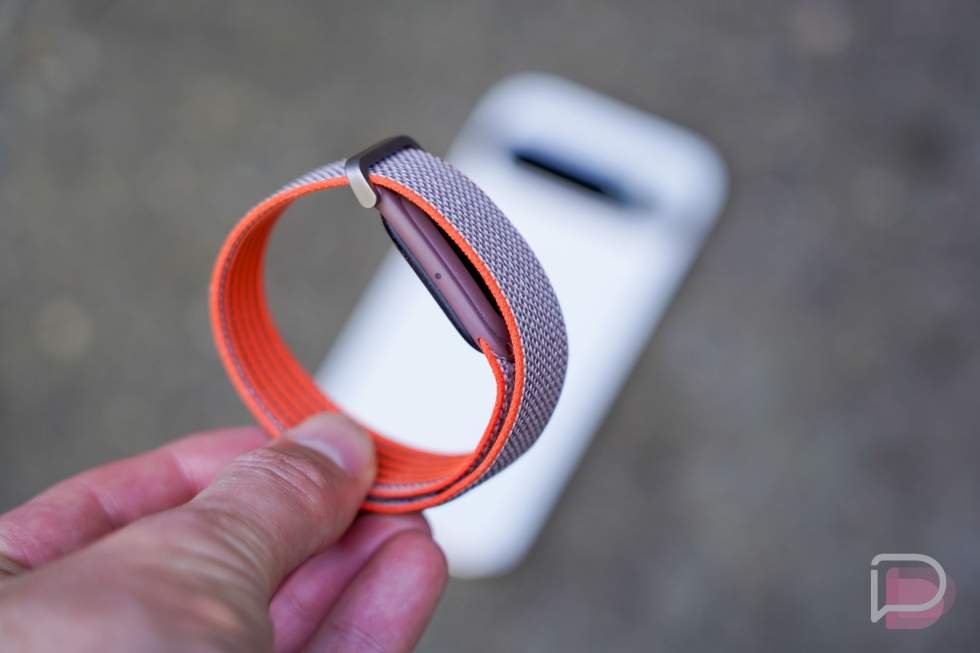
Google’s new Fitbit Air is generally available this week and if it was something you had your eye on, it can be purchased and slapped on a wrist within a few days. We’ve been testing a review unit for almost 3 weeks now and figured that was plenty of time to get you some final thoughts that might help you make a purchase decision.
The Fitbit Air was announced in early May at $99, went up for pre-order almost immediately, and started to arrive on doorsteps at the beginning of this week. We gave you a first look at our review unit with several bands a couple of weeks ago.
If you’ve followed along on the story of the Fitbit Air, you know that it is arriving with a bunch of huge changes for Google and Fitbit. For one, this is a Google-branded Fitbit device that shows Google is still committed to the brand, at least from a hardware perspective. The future of Fitbit watches is still a mystery, but Google has put quite a bit of effort into this little screen-less wearable.
The second thing is that the Fitbit app is now gone and replaced by the new and somewhat controversial Google Health App. The new Google Health has given us the Google Health Coach (as a part of Google Health Premium) and a shiny new app with enough changes that long-time Fitbit users are struggling a bit with the transition.
But overall, the Fitbit Air is a huge moment for Google and its health and fitness goals, because it is essentially a re-launch of that side of their business.
OK, enough recap – let’s talk Fitbit Air!
Fitbit Air design is wonderful
I’m a long-time WHOOP and Oura Ring user because I like wearables without screens. I am not a big fan of smartwatches at this stage of life, so I prefer health and fitness tracking wearables that are screen-less and can still track all of the metrics I’m obsessed with. The Fitbit Air is exactly the type of device I’m into.
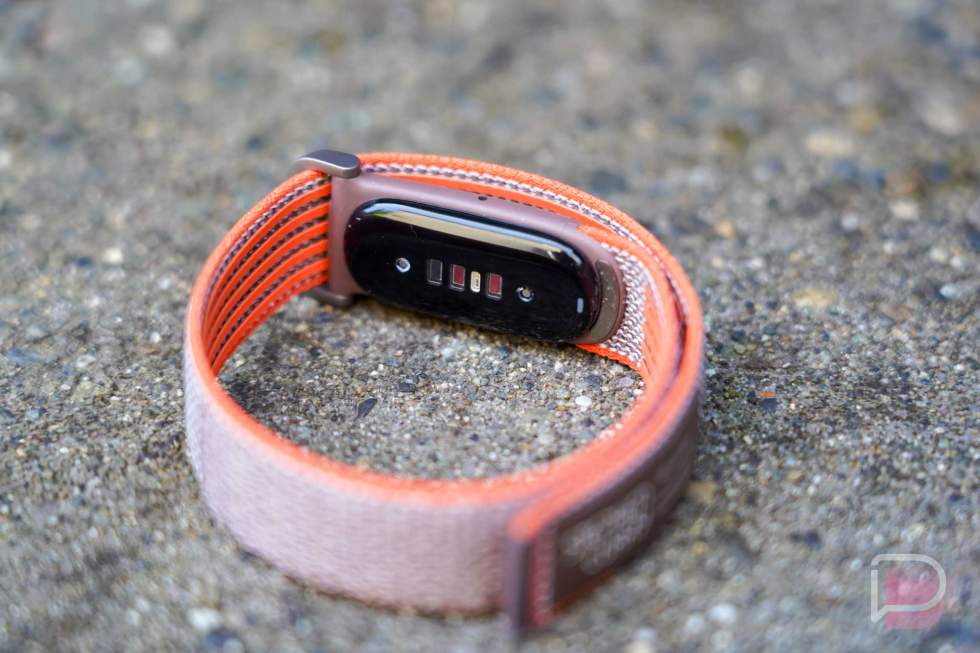
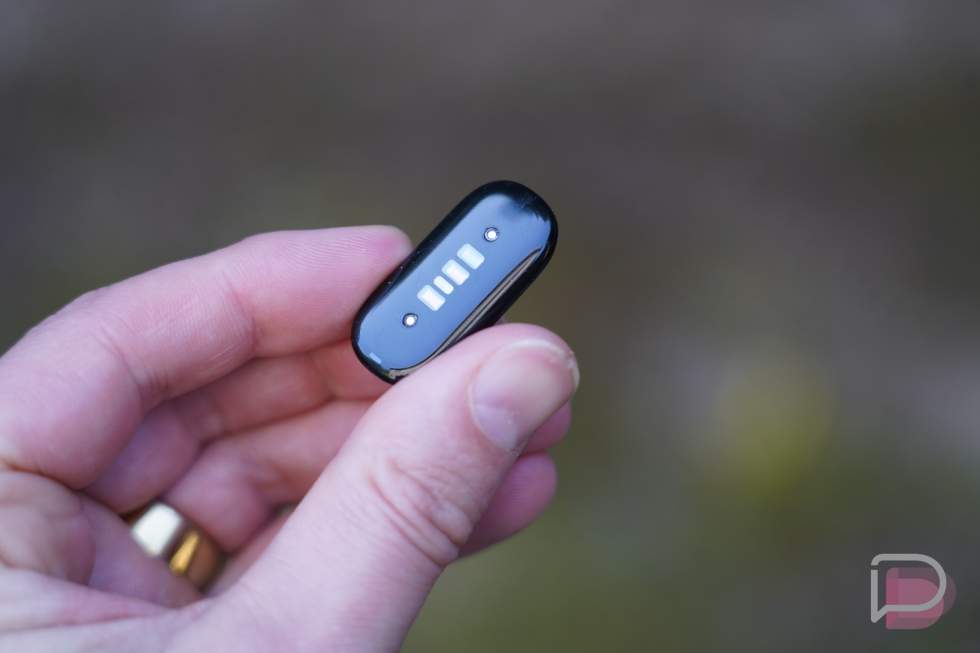
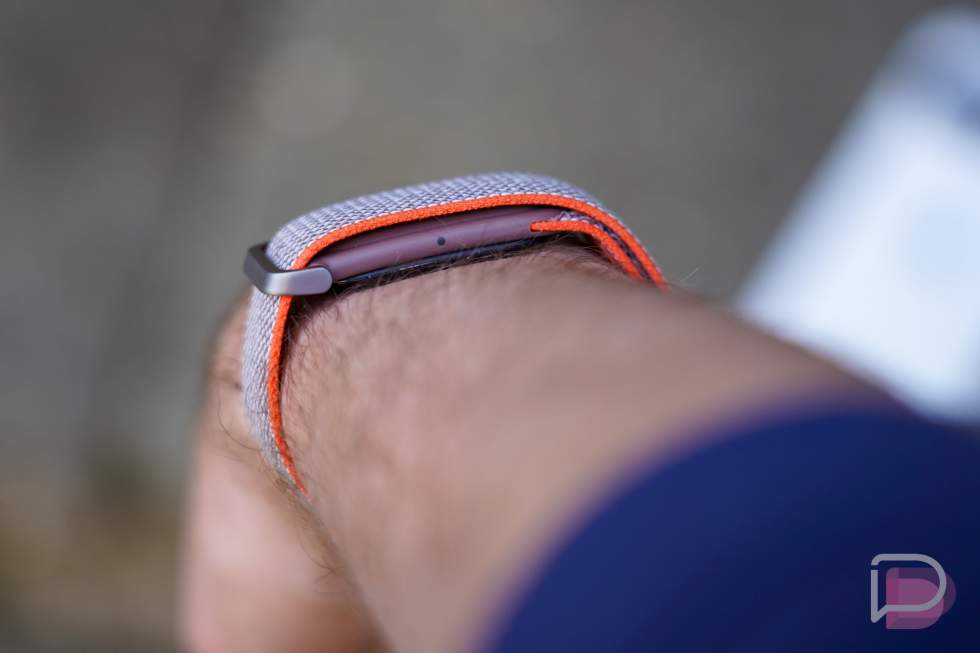
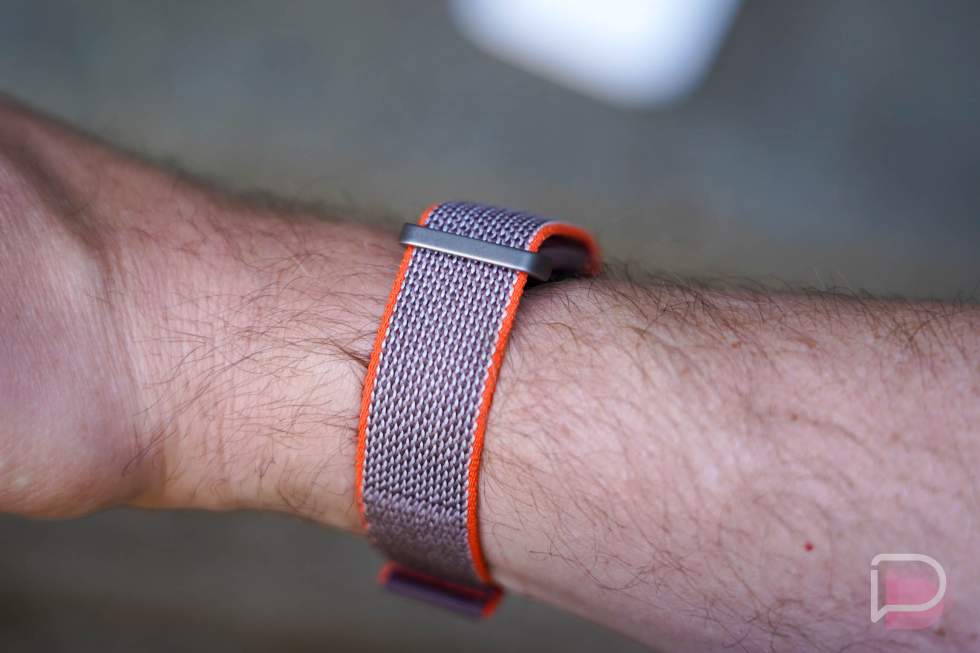
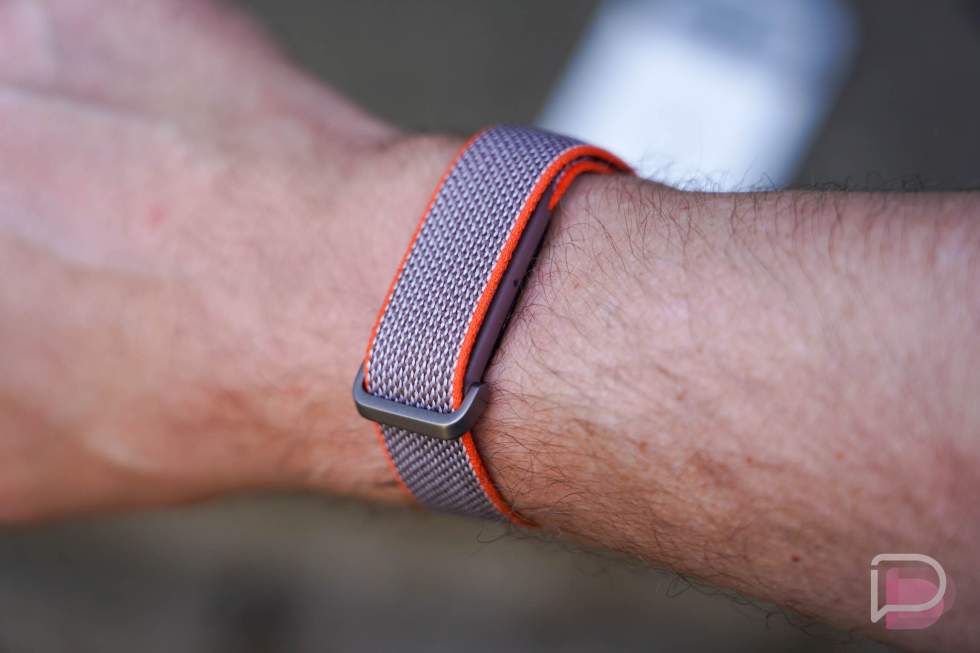
When you put the Fitbit Air on the wrist, I think almost anyone would probably be impressed by the size and fit. It’s insanely light, properly thin, and the band isn’t that much wider than my index finger, yet it still packs a little sensor that will give you all of the data.
For the first week or so of testing, I wore both the Air and WHOOP, but then quickly took the WHOOP off because wearing the Air is just so much easier. There’s less smacking it on things, catching it on clothes, and it certainly disappears more on your wrist since it looks more like a fashionable bracelet than medical tracker. In fact, it’s so light, that I took it off the other day to put sunscreen on and then forgot to put it back on. I went a few hours without it, looked down to see it was gone, and then freaked out that it had fallen off or something had happened to it. I’m not sure it could actually just fall off, but the point is that it’s so light and comfortable, I just assumed I had had it on the entire time.
The design is also clever in that you can easily swap the sensor out for a new band in all of a couple of seconds. WHOOP makes this process incredibly painful, as do so many other wearables, but Google figured out a system that lets you pop a sensor out and then snap back into another band. It’s so simple, I can’t even properly describe how simple it is.
You can sleep with Fitbit Air on, workout with it, and leave it on the wrist all day and probably not really notice it’s there. Again, the design is without a doubt the star here for those looking for less on the wrist, flexibility in changing straps, and a life without an extra screen nearby.
Fitbit Air battery life is a full 7 days
Google claims that the Fitbit Air gets up to 7 days of battery life on a single charge and they are spot on, at least in my testing.
On my first charge, I was impatient and only charged it to 83% – it lasted for a full 5 days with sleep tracking, tons of workouts, etc. On my 2nd charge, I went to the full 100% and didn’t need to put it back on the charger until 7 days later. It still had some juice on that 7th day, but I went ahead and charged just to be safe. It has now been another 4 days since that charge and I’m sitting at 58% as I type this. In reality, this could be more like 7-9 days if you were really stretching things.
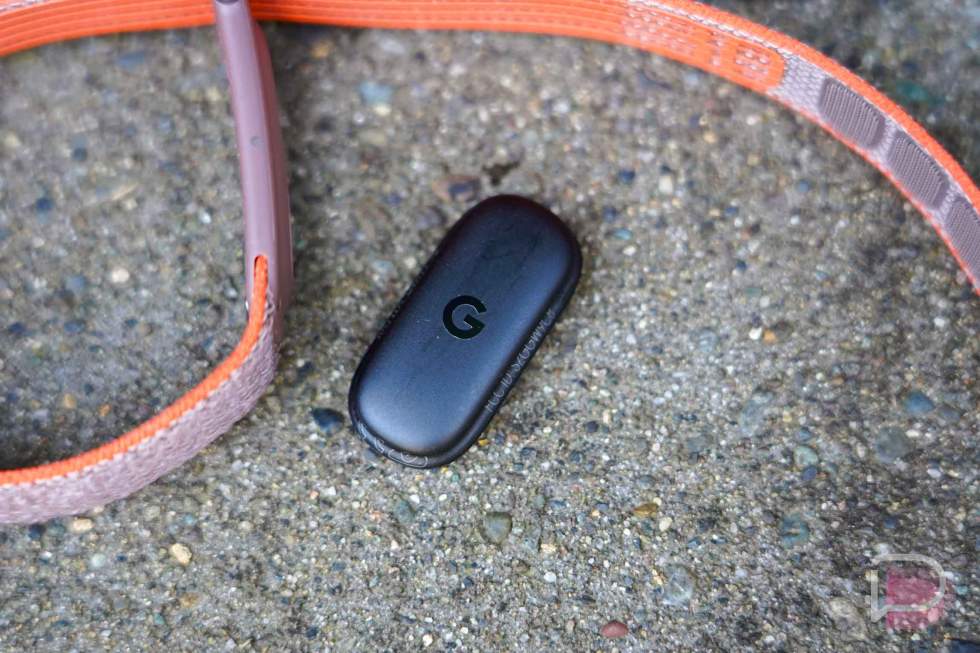
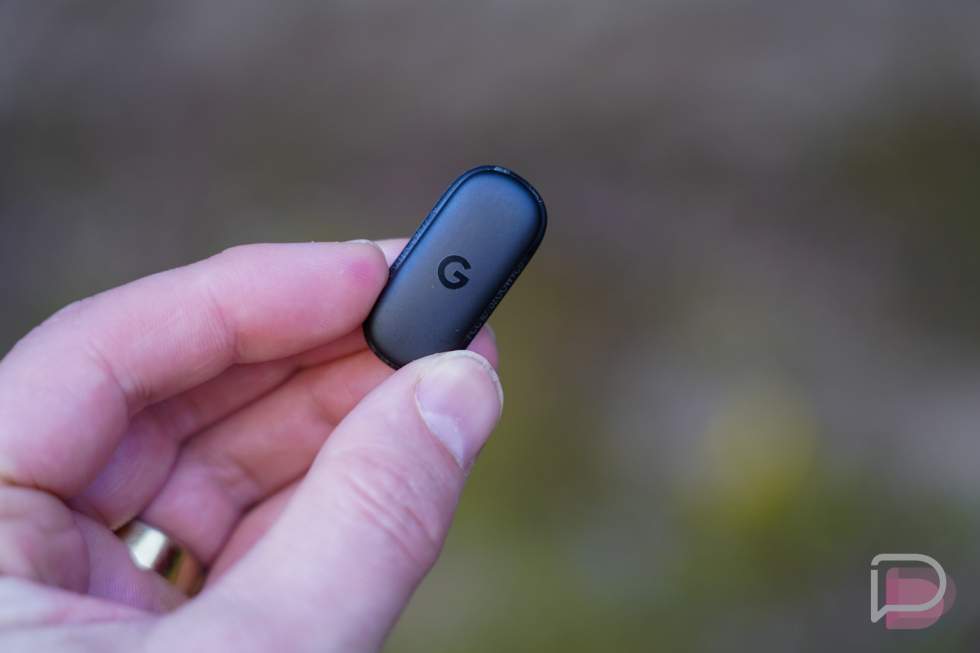
As far as charging goes, the Fitbit Air comes with a pin charger that can be attached in two different directions. It’s super easy to attach and then gets you to 100% in around 90 minutes. Google also says you can get 1 day of battery life in about 5 mins. While I didn’t time my charging sessions, it certainly isn’t the quickest process and does require you to take the Air off of your wrist to do so.
I point that out because WHOOP gives you a wireless charger that attaches to the top of your WHOOP for charging, so you never need to take it off even to charge. Thankfully, the Air does last for such a long time that you may not really care about having to take it off for an hour every 6 or 7 days.
Fitbit Air bands comparison
In my little review package, Google sent me the Steph Curry Special Edition band, the Classic or Performance Loop band, and the Active Band. They did not send the Elevated Modern Band.
For the Steph Curry band, this can (currently) only be purchased with the device itself as a pricier bundle. It costs $129.99. To get the Fitbit Air for $99, it comes with your choice of Classic band, which is the Performance Loop.
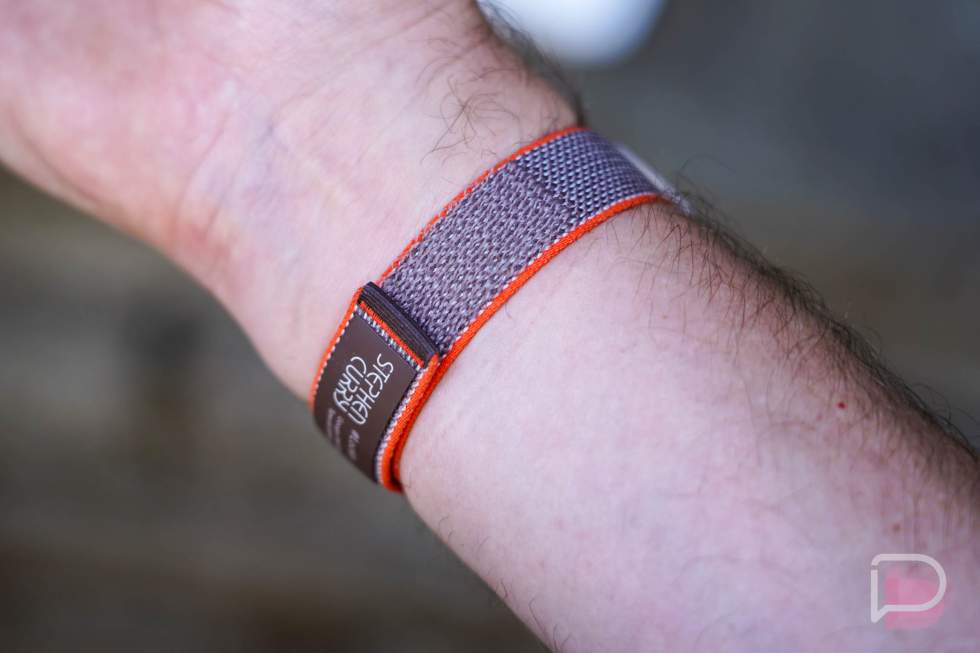
Both the Steph Curry and Performance Loop bands are very similar. They are a woven fabric that loops around your wrist to velcro onto itself. They are super lightweight, soft to the touch, and still provide enough structure that you won’t find the Air flopping around or moving much when on your wrist. The Steph Curry one has a bit of goofy branding on it and also has some sort of water resistant coating, but it only comes in this “Rye” colorway with brown and orange mixed throughout.
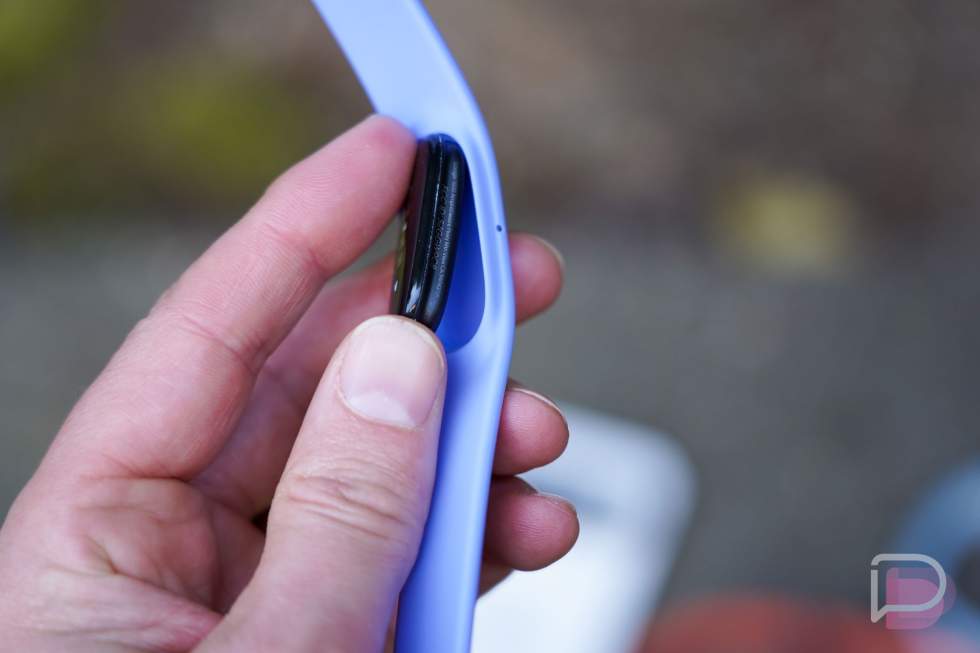
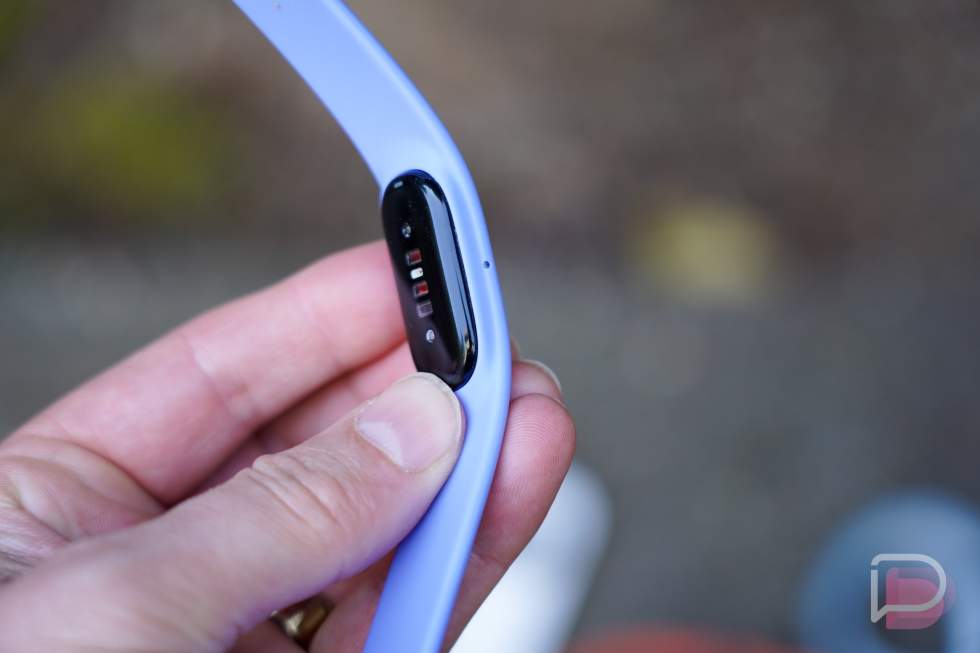
The Active Band is a classic silicone wearable band that comes in 4 colors. I have not worn this because silicone bands tend to cause freakouts on my skin. However, you’ve seen this design where the band wraps your wrist, pin buckles, and then tucks underneath itself for a seamless fit. It has a ribbed exterior and looks quite modern and fun.
Out of all 3 bands, I’ve found myself mostly wearing the Steph Curry band because I like the color scheme. If I were buying today, I’d probably go with the Obsidian or Berry colors of the Performance Loop. I’ve been testing it in the Fog color and something about this color is just off.
But overall, the bands are all very nice, well designed, have held up to a lot of sweaty pickleball and gym sessions, and should last for a long time. This Steph Curry band is showing zero signs of wear and I don’t take it easy on this thing.
The new Google Health app
Alright, enough about how the Fitbit Air wears, looks, and lasts, you probably want to know what the deal is with the new Google Health app. I’ll try my best to describe this whole situation and how I’ve dealt with it over several weeks.
The Google Health app is indeed here and has replaced the Fitbit app. It comes with a new UI and the Google Health Coach, both of which were in a public preview testing dating back to last year. I was lucky enough to get in on that, so I had seen this long before Google made the big switch.
As someone who has tested Fitbit and Pixel Watch devices off and on over the years, I was familiar with the old Fitbit experience, but by no means consider myself to be a hardcore Fitbit fan. The app was fine and I thought it had gotten a lot better in recent years, so this big switch-up was a bit surprising. Clearly, Google had secret Google Health plans in the works and decided it was time for massive change.
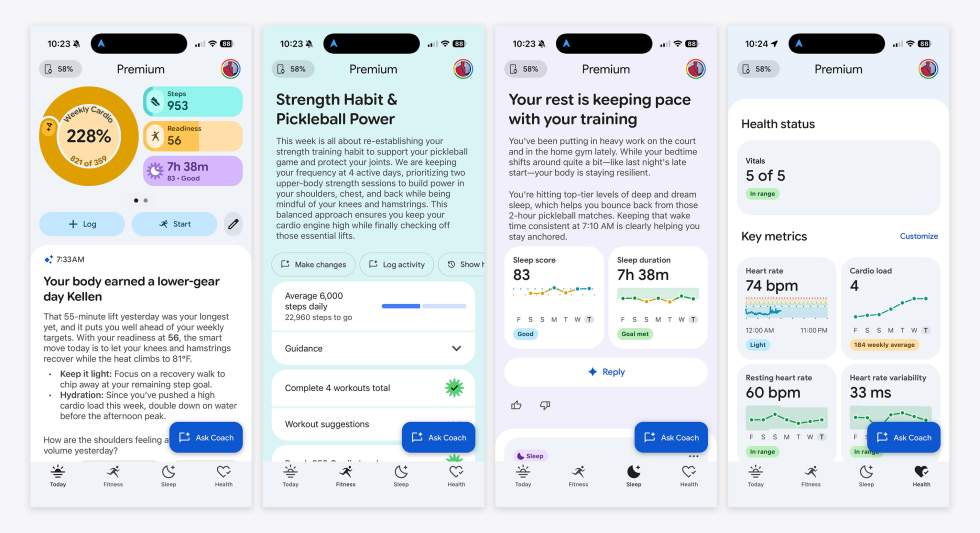
The new app is very colorful, changes up where you might find things, and puts a focus on your Today page with a quick view of metrics up top followed by interactions with the Coach or feedback based on your sleep or previous day’s level of activity. We have a dark theme, a font and layout I would consider to be pretty easy to digest, and areas for deeper dives into data.
Again, not the long-time Fitbit user that many of you may be, but I find the new app to be fresh, modern, and with plenty of info at my fingertips. Is it missing some stuff? It sure is and Google has already shared that it is working on dozens and dozens of fixes and features. Is there going to be a learning curve for many of you? Absolutely.
The Google Health app has 4 tabs to it now: Today, Fitness, Sleep, and Health. The Today tab is your main screen with a tiled data section at the top that can be customized to show the metrics you want to track or pay attention to the most. You can have multiple pages up there or shrink it down to keep things simpler.
From there, you can scroll to see information about your current day, previous days, leaderboards with friends, and whatever it is that the Google Health Coach is wanting to give you feedback about. More on this in a bit.
I don’t spend much time on this page, to be honest. I take a look at the top tile section to see a quick shot of stats and then I usually move on to the Sleep tab or the Health tab. Those two tabs have the best presentation of metrics and give me clearer breakdowns without all of the text that the Coach brings.
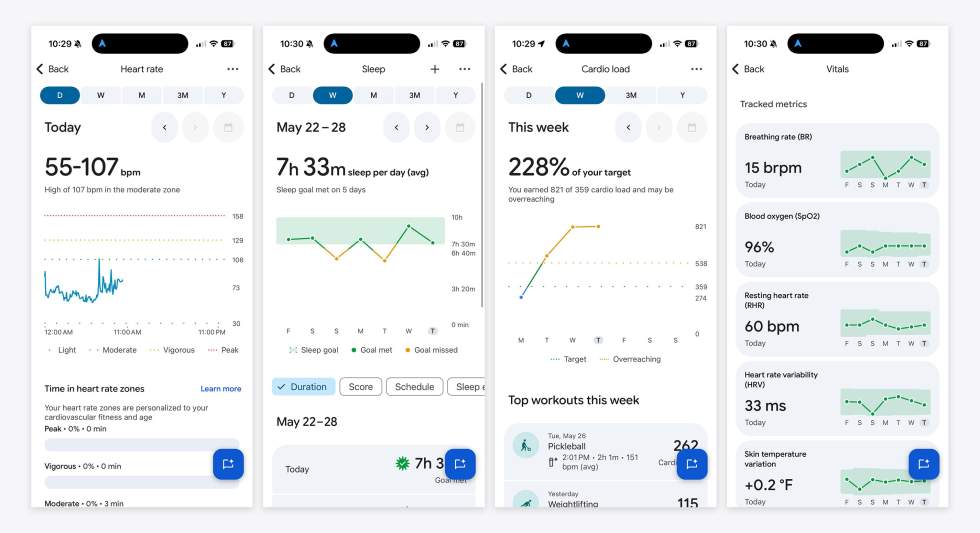
I really love the Health tab because you can set it up to show all of the metrics you want in the order you want. But Google Health is also really great at presenting that info. You can flip to that page and see your HRV or resting heart rate or blood oxygen within a green range that is typical for you or decide to freakout if today’s number are outside of that area. You can easily pick up trends, see days that you hit goals, and then also realize that you probably had an extra beer or 3 on the weekend, slacked on the workouts, and all of your vitals were thrown off.
Google’s latest improvements to sleep tracking are also really great. They not only provide a clear presentation of your sleep stages, but you get this really cool section for time to sleep, sound sleep, restlessness, and interruptions. And there’s a range for you with these metrics too, so you get this extra level of sleep feedback that is both interesting and potentially super useful if you are having sleep issues.
In Fitness, I rarely hit this tab. I’m pretty set on the types of workouts I’m doing these days. I’m logging 3-4 days of 2-hour pickleball sessions, I try to lift some weights 2-3 days a week in between that, and then at least once a week I try to do a very casual bike ride. So I don’t care about the workout library or completing a certain number of workouts or hitting a cardio load – I know I’m hitting those numbers and then some unless I’m hurt or sick and can’t find my usual schedule.
I’m not saying this tab is poorly done or bad, but it’s really meant for those needing that extra bit of motivation or reminders or help in their workout journey. I think Google is doing a good job with this tab, I just look at it being more for those just beginning those journeys.
As far as the data goes, this is where I’ll continue to wear the Fitbit Air going forward and can then report back. For now, I’ve been able to compare some sets of data from my Oura Ring to the Air and things align for the most part. Since I’ve worn my Oura Ring 4 for so many years and it’s data is so consistent, I do really trust it and think it’s more accurate than my wrist-based wearables have been.
What I’m seeing is sleep scores that are close on most nights, outside of a couple of outliers where the Fitbit Air rated my sleep very low, while the Oura thought it was one of my best nights. It notices sleep duration about the same, but the Air algorithm thinks I sleep longer than Oura. It also puts my heart rate variability (HRV) lower almost every day than Oura, but it certainly lines up with the ups and downs. The Fitbit Air thinks my resting heart rate is higher as well, but similar to HRV, it flows up and down properly.
The takeaway here, outside of just needing more data, is the way these sensors track from finger to wrist. Wrist sensors aren’t ideal, but they certainly work. I had a handful of nights that couldn’t return a sleep score with the Fitbit Air and the notice in the app said it was probably because I was wearing it too loosely. I don’t think I was, but I’ve since tightened to a level I don’t love to make sure it better captures that data.
But let’s talk about the Today page and this Google Health Coach.
Google Health Coach is…fine
As a part of Google Health Premium, which is $9.99 per month or $99.99 per year, you get access to the Google Health Coach. If you buy a Fitbit Air, you get a free 3-month trial.
The Google Health Coach lives throughout the new Google Health app, with shortcuts at the bottom right of the screen to let you access it at any time. Where you’ll see it the most, though, is on the Today tab where it gives you pep talks, lets you know how it views your sleep or workouts, and then tries to help you continue to progress.
When you first fire up the Google Health Coach, it’s best to walk through its setup process where it asks you questions, sets up goals, and even puts together a workout routine. You are supposed to check-in with it regularly throughout a day, by logging food, telling it something might be hurting or that you are tired, or to post a workout or maybe even reschedule one.
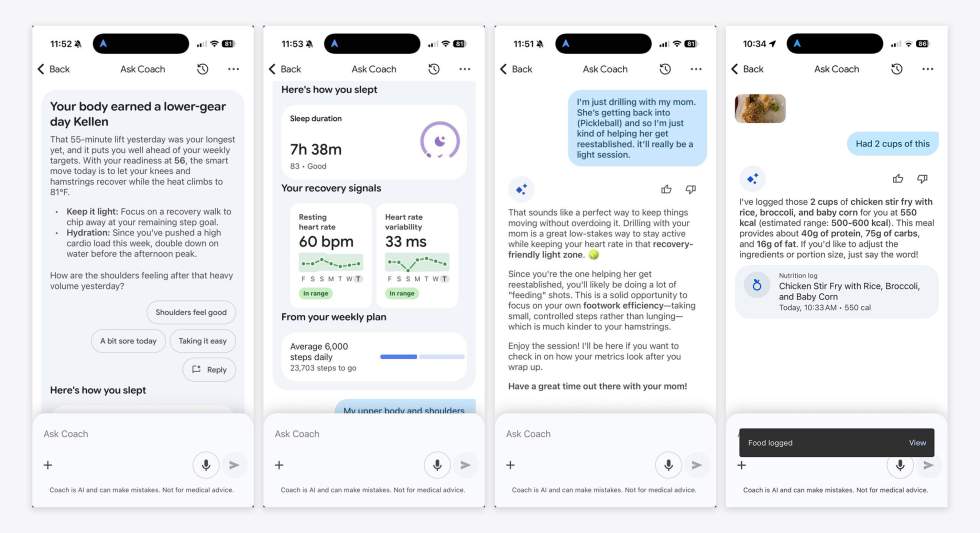
When I first setup the coach back in public preview, I told it that I was having hamstring issues and some knee soreness from pickleball, but that I also had been slacking on upper body workouts and needed to get back on track. It still remembers that info months later and is back to constantly talking about those things.
This is where the Coach is probably best for certain types of people, and depending on the day, I’m not always one of them. I think you would get the most out of the Coach by wanting to talk to the Coach about everything in your life. It wants to know your schedule, what you ate, how you are feeling, if your shoulders are sore after a workout, and if the weather might impact your day.
However, it’s at its best when you use it as a scheduler for a workout routine, because it is super great at putting together workouts for you and helping you reach those goals. It’ll let you reschedule, adjust exercises, change focus to different body parts or movements or from running to cycling, etc. But you really have to want to talk to this coach a lot, read feedback from the coach, and try to partner with it. I think it could be really cool for people who need that, basically as a sidekick to hitting fitness goals. I consider myself to be a bit of veteran in the workout space and like to go at it alone, but even I can admit that there are days when reading some feedback to help me focus has been helpful.
If there are flaws here, it’s probably just that this whole Coach thing feels like early days. Google is already planning for pretty big changes within the first few days of this being widely available. They’ve already said they will shorten responses because of feedback for it being wordy, provide more graphics, and give the option to tune which activities warrant responses from the coach.
The Google Health Coach is not going to be for everyone, partly because you have to pay for it. But in its current state, this seems to be for people needing a fitness partner and also for those willing to grow with the Coach as Google (quickly) improves it.
I’m switching to the Fitbit Air
Within a couple of days of wearing the Fitbit Air, I knew that this would be the device I switched to.
For one, my WHOOP subscription is for the MG model, which costs an insane $359 per year. I got a decent Black Friday deal on it and didn’t pay that price, but once my year is up, they would want that from me. WHOOP is a subscription model and you are always paying for it if you want to use it.
The Fitbit Air costs $99 and I could then use it for free following that purchase if I wanted to. You do not need a subscription to use the Fitbit Air. We’ve shared a comparison of Google Health Premium to Basic and there are going to be a lot of people who will be just fine without paying for the $9.99 per month Premium. Also, keep in mind that Google Health Premium is a perk if you have Google AI Pro or AI Ultra plans, so you may qualify for it being free.
Beyond the price, I love the size and wearability of this device. It really does almost disappear on your wrist. If you are like me and never take these things off, that’s one of the biggest selling points I could give you. It’s comfortable, lightweight, and almost never needs to be charged.
I also mostly like the new Google Health app. The coaching stuff probably isn’t my jam, but I do like the way it presents info and shows me data. It’s pretty robust there, and once you get it setup properly with your own tiles on the Today page and all metrics on the Health page, it’s not difficult to use or to find items.
And as an added bonus, the Fitbit Air works on both Android and iOS, basically at the same time if you want it to. I switch between both of those devices frequently and my Google Health app is always in sync with this Fitbit Air.
For $99, the Fitbit Air is awesome.
BUY GOOGLE FITBIT AIR: Amazon | Google Store
Read the original post: REVIEW: Fitbit Air is Really Great for $99
This articles is written by : Nermeen Nabil Khear Abdelmalak
All rights reserved to : USAGOLDMIES . www.usagoldmines.com
You can Enjoy surfing our website categories and read more content in many fields you may like .
Why USAGoldMines ?
USAGoldMines is a comprehensive website offering the latest in financial, crypto, and technical news. With specialized sections for each category, it provides readers with up-to-date market insights, investment trends, and technological advancements, making it a valuable resource for investors and enthusiasts in the fast-paced financial world.