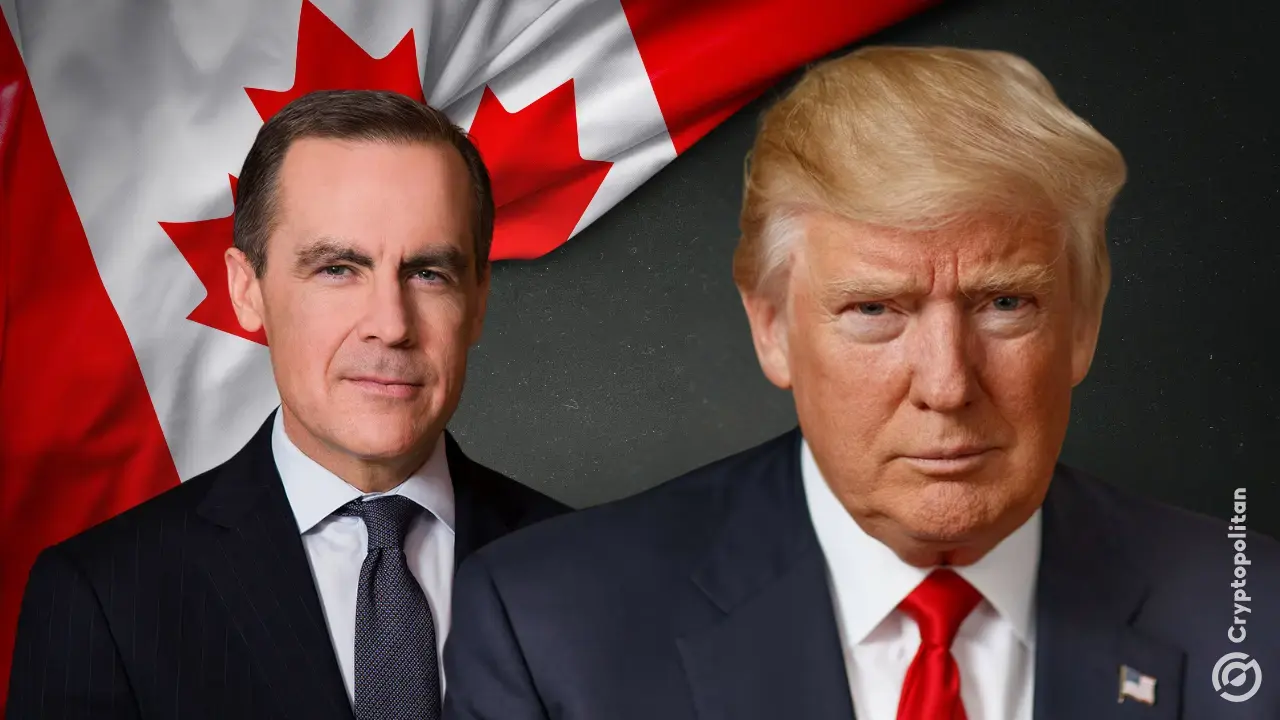
Early Saturday, President Donald Trump imposed 50% tariffs on $20 billion worth of Canadian products after the two allies failed to reach a deal.
Canada has since promised to set an immediate, equivalent retaliatory levy package. Canadian Prime Minister Mark Carney particularly asserted that they would match the U.S. tariffs dollar for dollar.
Earlier this week, both sides had hinted at substantial progress in their negotiations, raising hopes that a trade deal was within reach. However, speaking with reporters on Friday, U.S. Trade Representative Jamieson Greer blamed Canada for the setback, claiming that Ottawa had retreated from the terms they had previously agreed to finalize.
He noted, “Tonight, Canada declined to finalize the trade deal under the terms agreed earlier this week. Despite the U.S. offer to Canada to receive the best treatment of any major exporter to our market, new demands and walk-backs of other commitments by Canada have upended the careful balance reached in the past days.”
Nonetheless, Canada’s Carney has so far maintained that the recent progress fell short of meeting the nation’s core economic objectives. Canada particularly wanted the U.S. to ease tariffs on steel, aluminum, autos, and lumber.
Trump’s tariffs just blew up U.S.-Canada trade talks
Trump’s tariffs will apply to around 5% of Canada’s yearly exports to the U.S. The tariffs were supposed to take effect early Wednesday, but Trump granted a three-day grace period to allow continued talks. Unfortunately, a deal still didn’t come together.
Canada has now halted negotiations and committed to matching any new U.S. tariffs with its own levies to protect Canadian workers and businesses. Carney noted, “I have decided to suspend trade negotiations with the U.S. and have directed Canada’s negotiators to return to Ottawa. […]Canada will match those tariffs dollar for dollar to protect our workers and businesses.”
He also promised immediate federal aid for Canadian workers and businesses within days. Moreover, he cited unfair and economically damaging late-stage revisions by the U.S. as the reason a deal couldn’t be salvaged, stating they broke the foundational trust of the talks. On the contrary, Greer presented the US provisions as forward-thinking and said they would have established a groundbreaking economic and national security alliance.
Before the new levies, the Trump administration maintained a 10% tariff on Canadian imports. However, because Canada is the U.S.’s second-largest trading partner after Mexico, the vast majority of its goods were exempt under the USMCA trade pact negotiated during Trump’s first term.
Some warn that the tariffs could jeopardize both markets
Some economists have shared their disappointment with the new tariffs. For starters, Canadian Chamber of Commerce President and CEO Candace Laing warned that the move would inflate costs for American consumers and jeopardize Canadian enterprises, investments, and livelihoods.
The new tariffs could also put fresh pressure on businesses operating across the U.S.-Canada supply chain. Canadian exporters facing higher costs may pass some of the additional expense to U.S. buyers, potentially raising prices for products that rely on cross-border trade.
Industries with tightly integrated supply chains could be particularly exposed, as companies may have limited options to quickly replace Canadian suppliers. The retaliatory measures from Ottawa could further increase costs for American exporters seeking access to the Canadian market, creating pressure on businesses on both sides of the border.
Ryan Majerus, a partner at King & Spalding and a former U.S. trade official, also commented, “Canada likely wanted further sector-specific relief than the U.S. was willing to offer, or Canada’s concessions did not go far enough. Either way, I think both sides will be under immense pressure in the coming days to still find an off-ramp. But if Canada has agreed to also impose tariffs, the off-ramp may be even harder to find.”
Not to mention, the current friction complicates efforts to renew the North American trade agreement. The three neighbors, Mexico, the U.S., and Canada, are looking to extend the landmark trade agreement brokered during Trump’s first term.
Although the U.S. has entered formal negotiations to revamp the deal with Mexico, talks with Canada have yet to start, and the intensifying trade conflict threatens to derail them entirely.
The immediate question is whether the two governments can return to negotiations and prevent the dispute from escalating further.
With Canada preparing to impose matching tariffs and businesses already facing uncertainty, both sides could come under pressure to reach a compromise. A prolonged standoff would not only threaten bilateral trade but could also complicate investment decisions and disrupt companies that depend on predictable access to the North American market.
This articles is written by : Nermeen Nabil Khear Abdelmalak
All rights reserved to : USAGOLDMIES . www.usagoldmines.com
You can Enjoy surfing our website categories and read more content in many fields you may like .
Why USAGoldMines ?
USAGoldMines is a comprehensive website offering the latest in financial, crypto, and technical news. With specialized sections for each category, it provides readers with up-to-date market insights, investment trends, and technological advancements, making it a valuable resource for investors and enthusiasts in the fast-paced financial world.