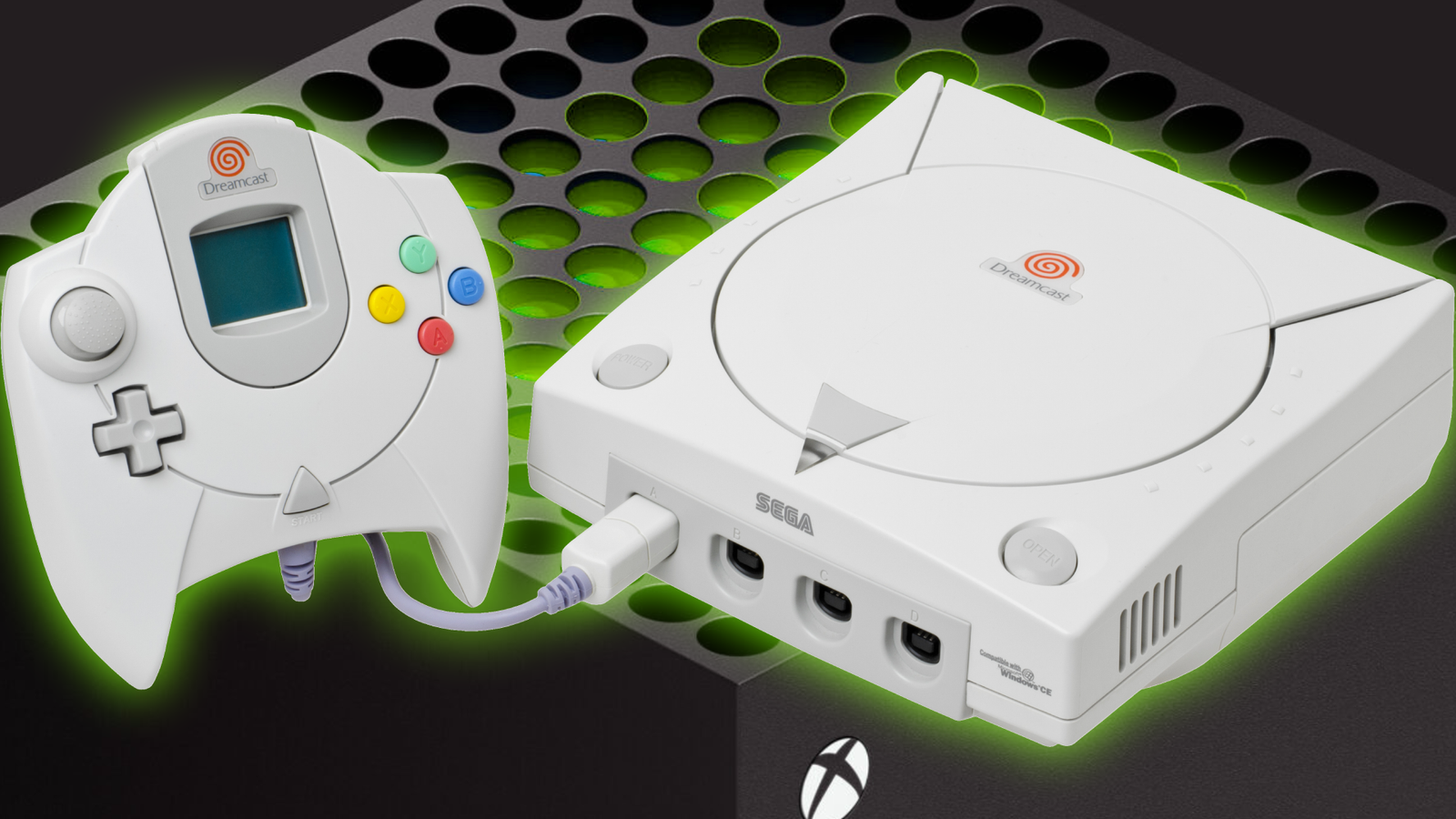
For a year or two in my childhood, the Sega Dreamcast was the future. Not just of video games, but of everything. It had 3D graphics better than anything on the market. It had an internet connection for online gaming. It had Crazy Taxi. In 1999, the Dreamcast was the absolute peak of entertainment for a middle school kid.
18 months later, Sega discontinued it. While the Dreamcast is fondly remembered by my generation, and has a significant place in gaming history by many measures, it was a failure. One of the things that killed it was the original Xbox console, looming large on the horizon since Bill Gates announced it in 2000.
Ironically, now it’s the Xbox that’s in trouble. Microsoft should pay attention to what happened to the Dreamcast, and learn from Sega’s lessons.
How Sega survived
After a few missteps doomed the Sega Saturn and Game Gear (Sega’s answers to the Sony PlayStation and Nintendo Game Boy), the Dreamcast was its last Hail Mary for a hardware business that began back in the early 80s. While embarrassed and bitterly disappointed, Sega pivoted, leveraging the strength of its game developers and software library.
Within a few months, we would see an unimaginable sight: Sonic the Hedgehog, the company’s mascot and iconic bad boy counterpart to the squeaky-clean Mario, zooming across Nintendo Game Boy Advance screens.
Sega more than survived, becoming one of the most notable game publishing companies on the planet, with iconic releases on all major consoles. From 2001 to 2004, Sega turned a 50-million-yen loss into a surplus, unshackling itself from expensive hardware and growing its potential audience of gamers on the Xbox, PS2, GameCube, and Game Boy by hundreds of millions. Today Sega isn’t the biggest publisher in the world, but shrewd stewardship of its franchises and resources has kept it relevant.
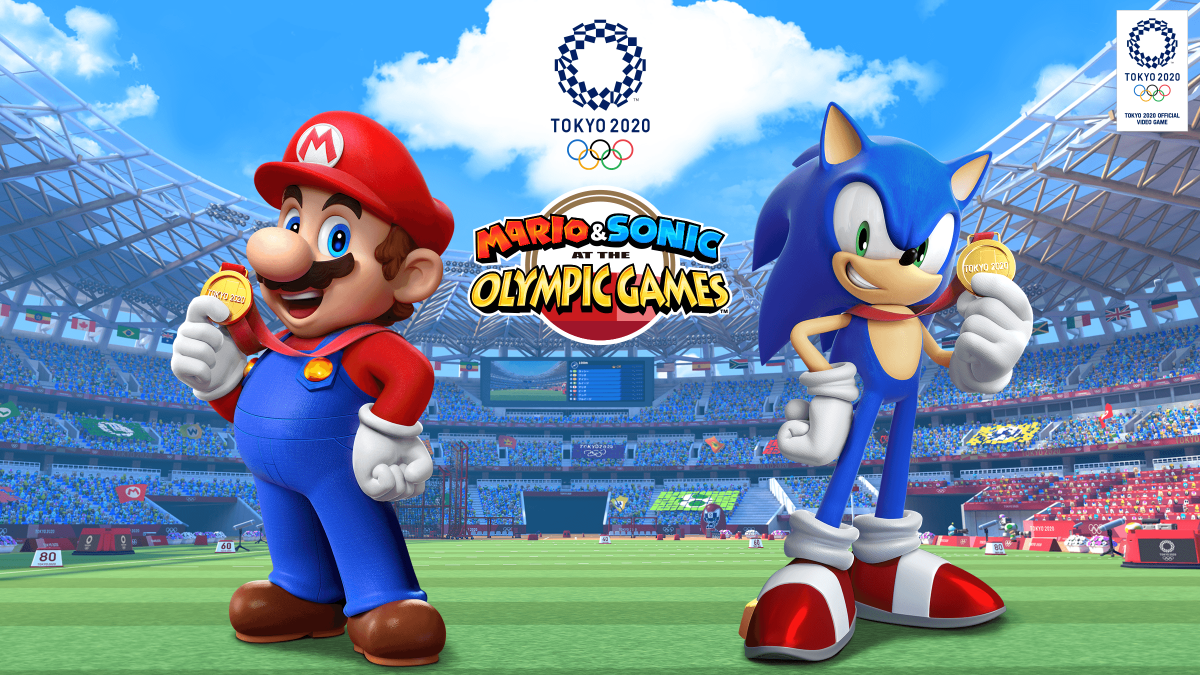
For 90s kids like me, images like this one still feel deeply wrong.
Nintendo
Just in the past couple of years, long-running Sega franchises like Sonic and Yakuza have been humming along. Sega has also introduced new entries for Total War (including a highly anticipated Warhammer 40K license) and revived Dreamcast classics like Crazy Taxi and Jet Set Radio.
Sega is, if not thriving, then doing far better than a lot of its contemporaries. With the exception of Nintendo, there’s no other company that started back in the ancient days when video games were exclusive to arcades, and transitioned so well to gaming this century.
Hint hint, Microsoft.
Xbox has been slipping for over a decade
The last time the Xbox platform truly dominated was in its Xbox 360 generation, which launched in 2005. It’s old enough to drink alcohol in the US — and if it took a look at the sales figures for the Xbox One and Xbox Series X/S, it might be driven to do so. Microsoft’s gaming division has seen years of falling profits, despite spending about a hundred billion on acquiring games and developers to fill out its Game Pass subscription service.
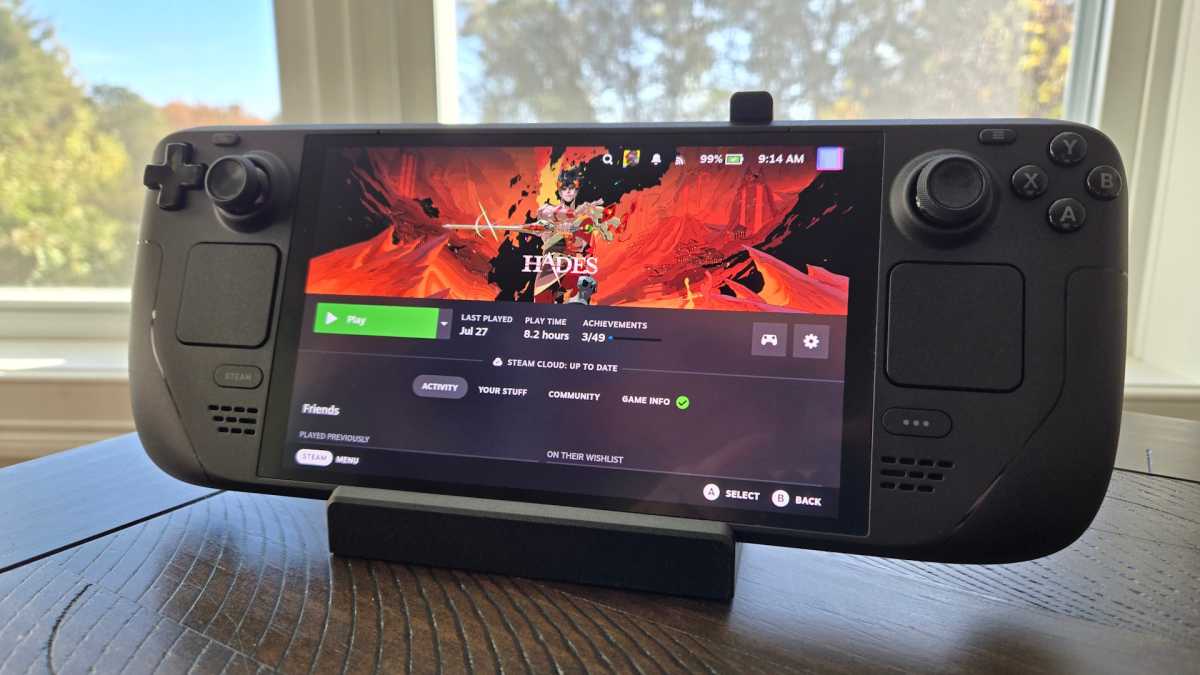
It’s tried to counter Valve’s near-monopolization of PC gaming platforms with tweaks to Windows and partnered handhelds, but appears to be treading water there, too. To be fair, it’s fighting an unprecedented rise in the price of electronics hardware, forcing consoles from all manufacturers and handhelds to skyrocket in price.
To be equally fair, if Microsoft complains about the price of RAM and storage as “AI” data centers gobble up all the manufacturing capacity, I doubt anyone would listen. Maybe it should ask Copilot.
Chris Hoffman / Foundry
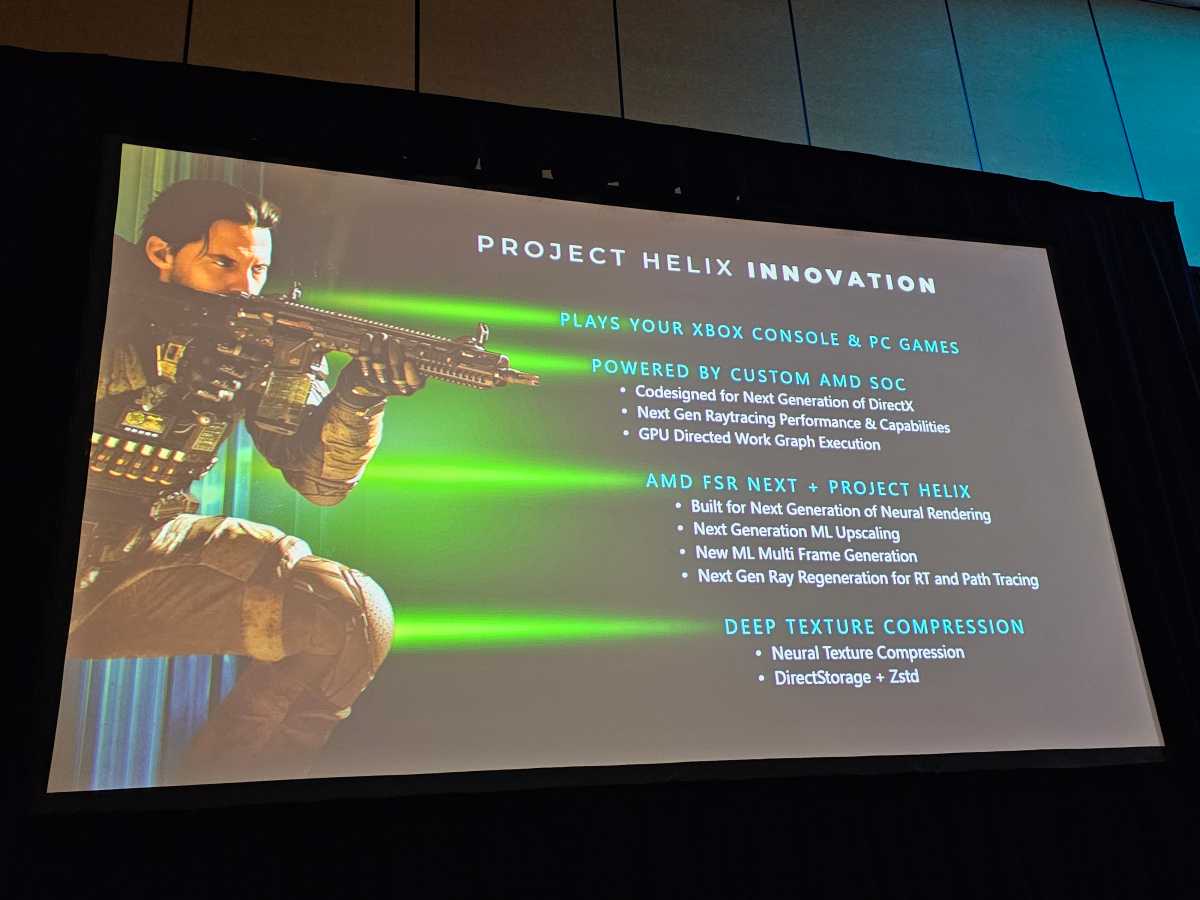
Microsoft’s equivalent of the Dreamcast — that is, a big hardware bet that might just be the platform’s swan song — is Project Helix. This will be a device that plays both exclusive Xbox titles and PC games made primarily for Windows. (And that’s not rumor or speculation, it’s straight from the horse’s mouth.) It’s essentially chasing the same console-PC crossover space as Valve’s Steam Machine. It makes sense, if Microsoft wants to both sell consoles and protect its flanks on the PC gaming front.
But even preliminary Helix hardware won’t get into developers’ hands until 2027. I’m sure Microsoft would love to get a next-gen Xbox under trees for the 2027 holiday season, but I just don’t see that happening. And that’s assuming multiple Christmas miracles — the second would be a hardware market that recovers from unprecedented cost increases.
Even Microsoft, juggernaut that it is, isn’t immune. The cheapest Xbox will cost $500 in a few weeks, and an 8GB Surface Laptop (which notably doesn’t meet the requirements for Microsoft’s own Copilot+ program) is almost a grand.
In short, now is a terrible time to introduce new hardware, especially if you want that hardware to be affordable to as many people as possible. Just ask Valve, which has a higher price for the Steam Machine than it would have wanted, and had to raise the price of the iconically cheap Steam Deck by hundreds of dollars. Also ask Nintendo, which has been forced to raise the price of the Switch 2 just a year after its launch.
Or, really, ask anyone who’s trying (and failing) to make the budgets balance without passing on costs to consumers.
Mark Hachman / Foundry
Microsoft is losing on hardware, and there doesn’t appear to be a realistic path for it to recover, at least not in the current climate. (I’ve seen speculation that Asha Sharma, the executive sent in to right the ship, is intended to be a hook upon which to hang the failure of the Xbox or a “pain sponge” to absorb negative reactions… like this article.) But Microsoft still has an incredibly valuable resource in its gigantic stable of development studios.
Microsoft has the games, even if Xbox consoles don’t
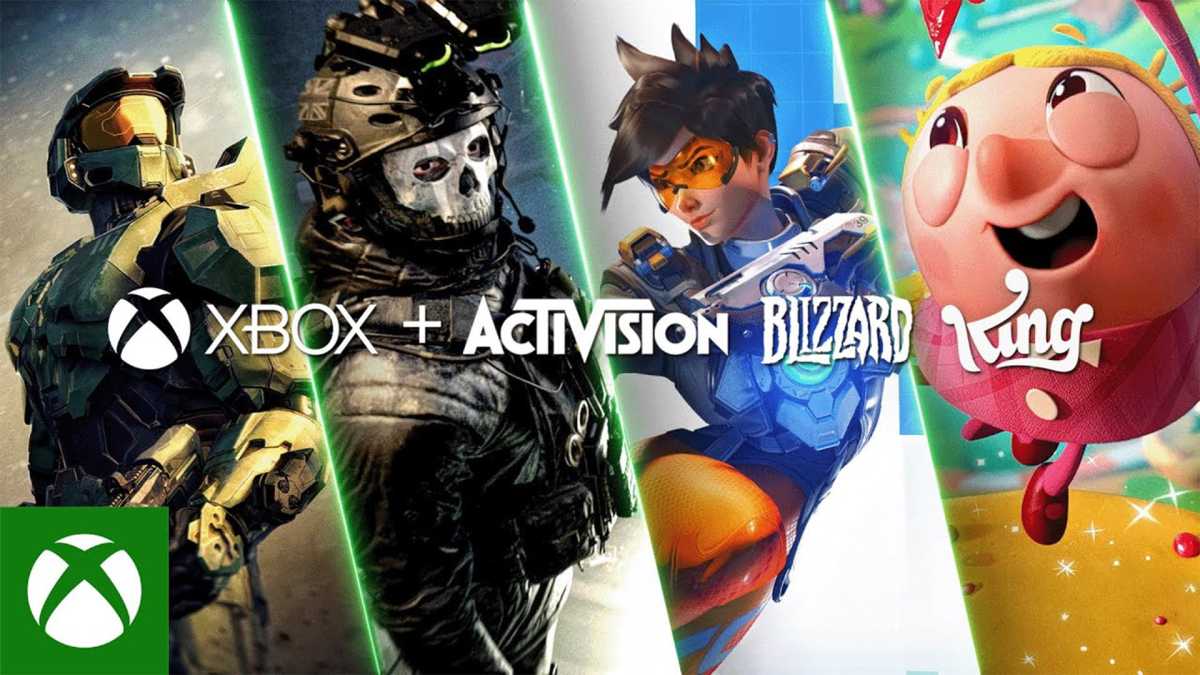
Microsoft bought Minecraft developer Mojang in 2014, giving it arguably the biggest and most relevant video game at the time, and one that still dominates the culture. (The sequel to the hit Minecraft movie will hit theaters next year.) From 2018 to 2024, the company went on an unprecedented spending spree: Ninja Theory, Undead Labs, Compulsion Games, Playground Games, inXile, Obsidian, Double Fine, Zenimax (Bethesda, Id Software, and Arkane), and finally, Activision-Blizzard.
There is simply no other company on the planet that has this much game-making talent and this many high-profile franchises under its belt. Microsoft owns Call of Duty, The Elder Scrolls and Fallout, World of Warcraft and Diablo, Forza, DOOM, and of course, Halo, along with broader-appealing properties like Minecraft and Candy Crush. Unless you’re obsessed with Nintendo’s deep library (and fair enough if you are!), there’s no other single company with that much gaming goodness under one roof.
Microsoft
And Microsoft has already made some moves to take advantage of this deep stable of titles, even beyond the Xbox and Game Pass. You can pre-order the much-anticipated Halo campaign remake for the PlayStation 5, and Bethesda’s Starfield just got a PS5 release. You can play Overwatch and Sea of Thieves, two multiplayer live-service games, on the Nintendo Switch.
Asha Sharma says that Microsoft is re-committing to console exclusives, like the new Clockwork Revolution and Gears of War: E-Day. (Notably, “console exclusive” is a very selective term — both of those games are coming to PC and Game Pass streaming.) This may or may not be in response to Sony doing the same thing, pulling its resources out of the PC market to double down on the PS5, which is hitting the same pricing woes as the Xbox and Switch.
Microsoft should follow Sega’s lead
I think it’s time for Microsoft to give up the Xbox ghost, on the hardware side if not as a platform. It has a massive collection of world-class developers, at least for the moment. It has games with such deep pedigrees that everyone is at least interested in them, no matter what device they use to play games. The Xbox brand still has value, as does the Game Pass service. It’s the console, the ever-more-expensive ticket to ride this train, that’s becoming harder and harder to sell.
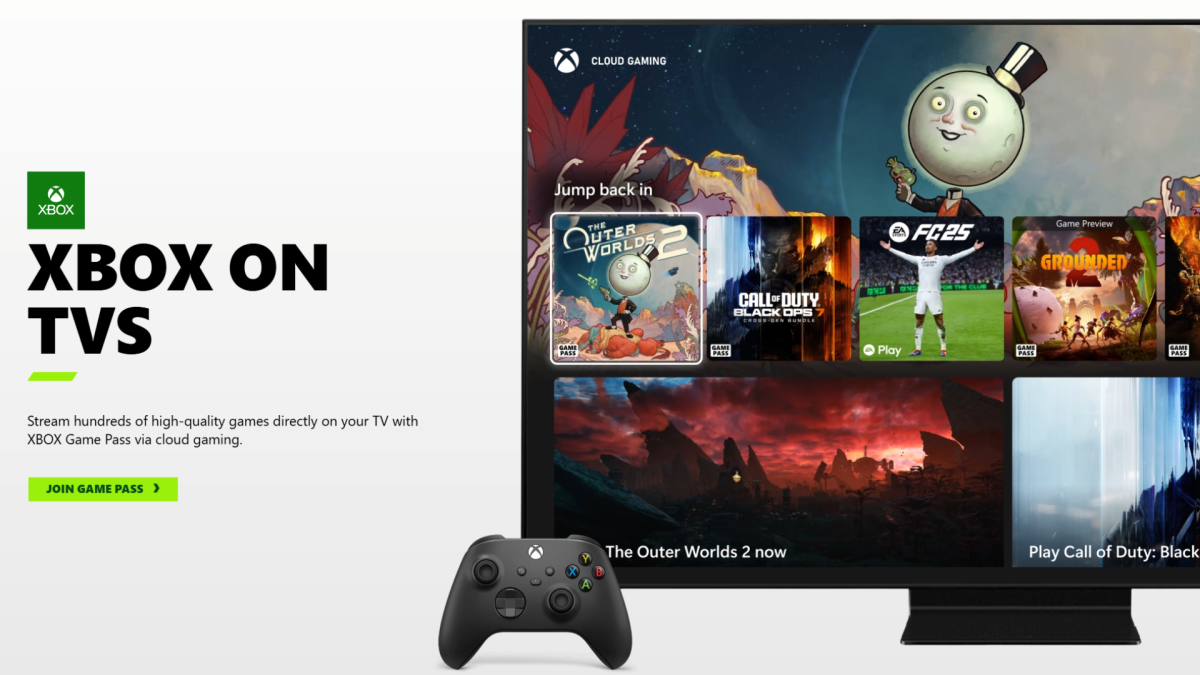
So, yes, I want Microsoft to take the Sega route, focus on making great games and selling them to as many people as possible. Helpfully, that would also free up resources to keep Windows 11 as the home of PC gaming, and fight off the increasingly bold advances of Valve and Steam. Maybe keep the Xbox hardware division in a smaller capacity, focusing on those excellent controllers, and perhaps a set-top box in the Chromecast style to give people a cheap entry into Game Pass for their TVs. Assuming their TV doesn’t already work with Game Pass.
Microsoft
I am not a media or tech executive. I’m just a nerd who managed to convince a few people I was worth paying to write words on the internet. I don’t have to answer to shareholders, and I’m not paid to predict the whims of an increasingly volatile market. And some of the people who do have that experience disagree with me. Notably, Sharma has already committed to deep headcount cuts, splitting off or selling four of its studios, Ninja Theory, Undead Labs, Double Fine, and Compulsion, with Arkane possibly following.
I suspect that the developers in those studios who aren’t laid off will be cautiously happy to work for a company that isn’t in crisis.
But I don’t think I’m alone in saying that Microsoft’s gaming hardware can’t be pulled out of a decade-long slump. Sega knew when it was time to fold and focus on its strengths. Sega is still around and doing well, 25 years later. Do we really think that Xbox, in the form of $500+ box that plugs into your TV, will still be here in 2051?
This articles is written by : Nermeen Nabil Khear Abdelmalak
All rights reserved to : USAGOLDMIES . www.usagoldmines.com
You can Enjoy surfing our website categories and read more content in many fields you may like .
Why USAGoldMines ?
USAGoldMines is a comprehensive website offering the latest in financial, crypto, and technical news. With specialized sections for each category, it provides readers with up-to-date market insights, investment trends, and technological advancements, making it a valuable resource for investors and enthusiasts in the fast-paced financial world.